Updated July 2026
Cellular, Honeycomb & Roman Shades vs. Zebra and Roller Blinds: What's Right for Your GTA Home?
What cellular, honeycomb and Roman shades actually do, how they compare with zebra blinds and roller shades on light control, insulation, cost and cleaning — and which one fits a GTA home best.
By Hayati, owner-operator · Published
Get a Free Quote on WhatsApp
Send a photo of your window and get an estimate within 1 hour.
Cellular shades, honeycomb shades and Roman shades come up in almost every consultation, usually because a homeowner saw them online or in a showroom flyer. They are genuinely good products, and this guide explains what each one actually is before comparing them with the zebra blinds and roller shades we install most across the Greater Toronto Area.
The short version: cellular and Roman shades solve specific problems very well — insulation and a soft fabric look. For most GTA homes, zebra blinds and roller shades deliver most of the same benefit for less money, with far less cleaning and fewer parts to fail. Here is the honest comparison so you can decide which one belongs on your windows.
What cellular and honeycomb shades actually are
Cellular and honeycomb are the same product under two names. The fabric is pleated into hollow tubes that look like a honeycomb from the side, and each tube traps a pocket of air between the room and the glass. That trapped air is the whole point: it slows heat moving through the window, which is why cellular shades are marketed as the insulating option.
They come in single-cell and double-cell versions, and in light-filtering or blackout fabric. Blackout cellular shades in a bedroom are excellent — the pleats hold their shape and the fabric blocks light evenly. The trade-offs are cost, cleaning, and view: the cells collect dust inside them over the years and cannot be wiped down like a flat fabric, and the shade is either up or down, so there is no in-between position that lets you keep the view.
What Roman shades actually are
A Roman shade is a flat panel of drapery-weight fabric that folds into horizontal pleats as it lifts. It is the softest, most furnished look available in a shade, and it reads as a decorator choice rather than a functional window covering. In a formal living room, a dining room, or a principal bedroom with layered textiles, nothing else looks quite like it.
Roman shades are also the most fabric-heavy option, which is where the practical considerations start. They stack a deep fold at the top of the window even when fully raised, they need professional cleaning rather than a wipe, and lined or blackout versions get heavy on wide openings. On a large patio door or a tall great-room window, that weight is a real limitation.
Side-by-side: the four options on the things that matter
Prices below are installed, in Ontario, for a typical mid-size window — fabric, hardware, custom manufacture and installation included. Full ranges are on our pricing page.
| Product | Light control | Insulation | Installed price | Cleaning |
|---|---|---|---|---|
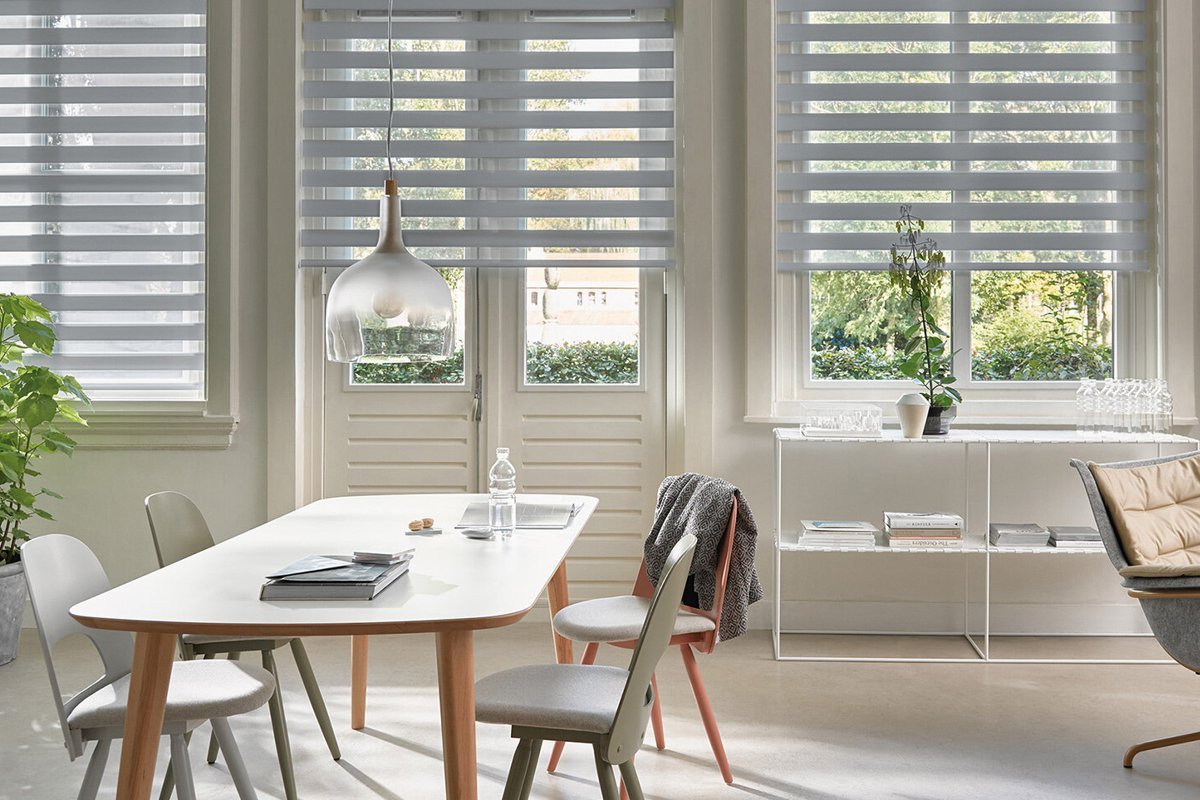
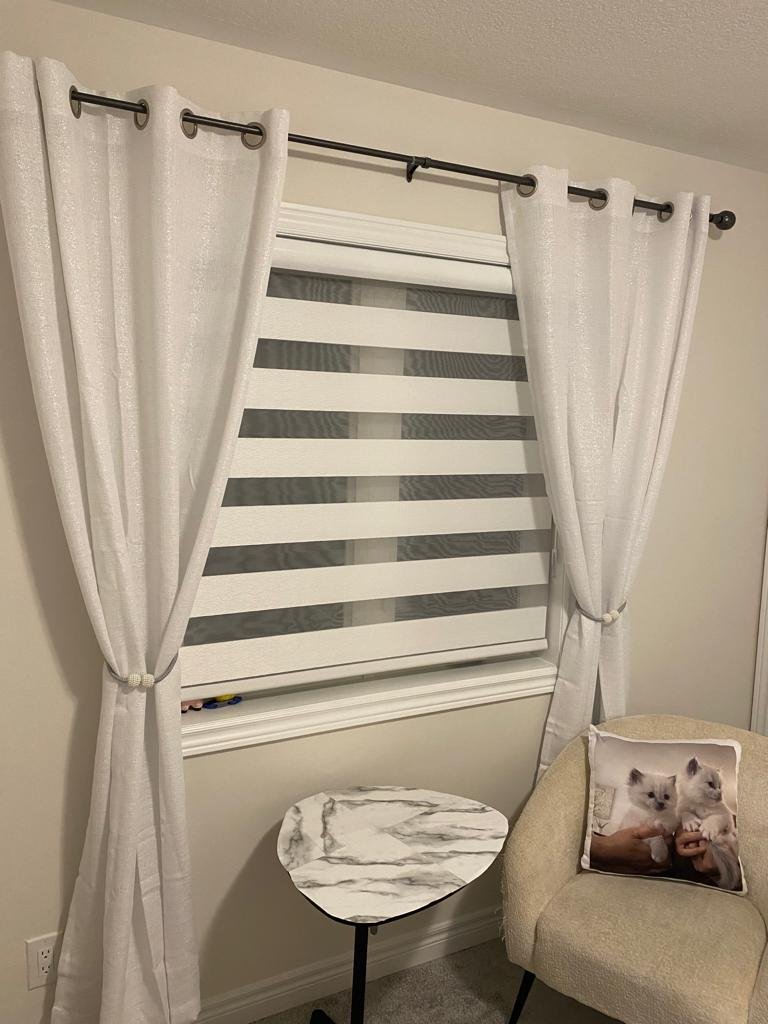
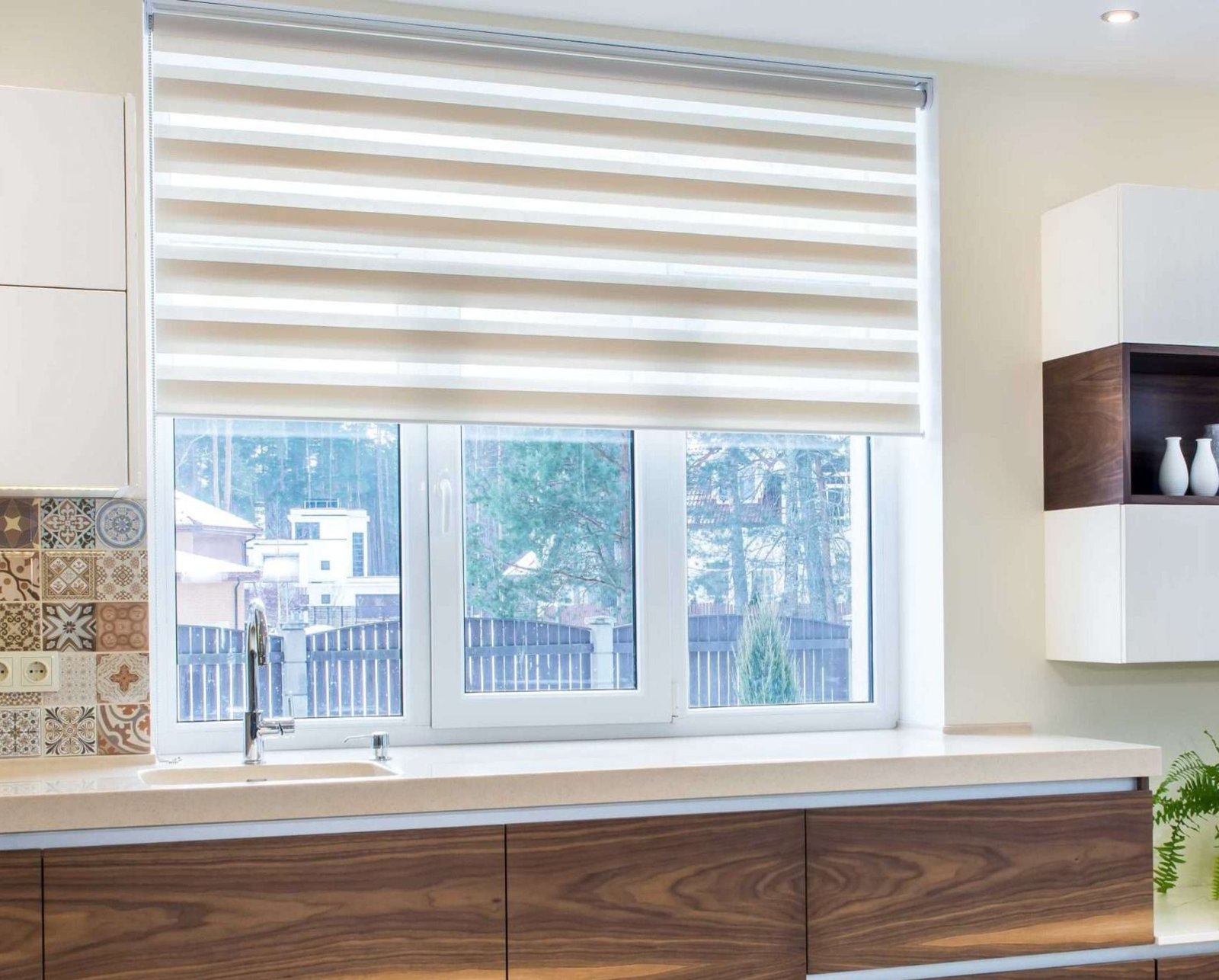
| Zebra blinds | Excellent — alternating sheer and solid bands adjust glare without losing the view | Moderate | $180–$320 | Wipe or vacuum the flat fabric |
| Roller shades | Excellent — choose openness (1%, 3%, 5%) or blackout per room | Moderate | $180–$320 | Wipe or vacuum the flat fabric |
| Cellular / honeycomb | Good — open or closed, no in-between view position | Best of the four | $250–$450 | Vacuum only; dust settles inside the cells |
| Roman shades | Good — soft diffusion, blackout available with lining | Good when lined | $350–$700 | Professional cleaning |
Why zebra and roller win in most GTA homes
Most homes we work in across Durham Region, York Region and East Toronto were built or renovated in the last thirty years and already have double-glazed windows. Where the glass itself is doing the insulating work, the extra thermal benefit of a cellular shade is smaller than the marketing suggests — and you are paying a premium for it on every window in the house.
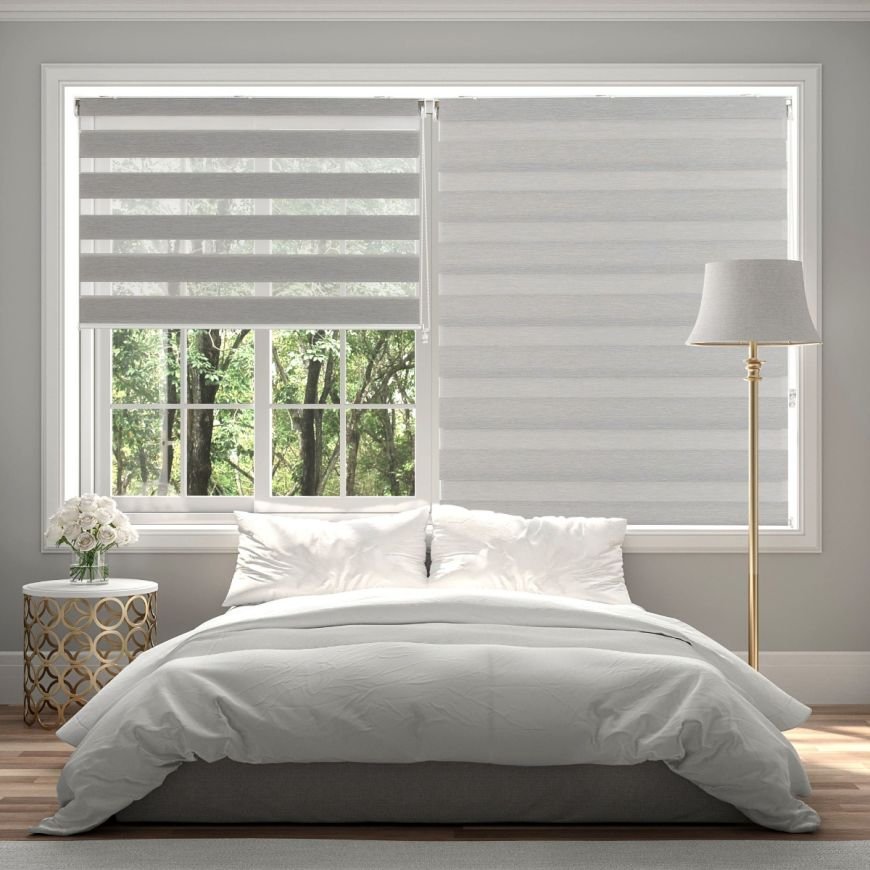
Zebra blinds do something cellular and Roman shades cannot: the alternating sheer and solid bands let you dial glare down while keeping a usable view outside. In a living room facing a street or a backyard, that is the feature homeowners use daily. Roller shades in a 3% or 5% openness fabric do the same job in a cleaner, more minimal profile, and a blackout roller in a bedroom matches blackout cellular for a lower installed price.
Then there is maintenance. A flat fabric shade is wiped down in seconds. A honeycomb cell is not, and a lined Roman panel goes out for cleaning. Over ten years in a family home, that difference matters more than the spec sheet does.
When we do recommend cellular or Roman
We are not going to talk you out of the right product. A north-facing room in an older home with single-pane or aluminium-framed glass is a genuine case for cellular — the insulation is doing real work there, and you will feel it in January. A three-season sunroom is another.
Roman shades earn their place in formal rooms where the window covering is part of the decorating scheme, and they pair beautifully with side panels of custom drapery. If that is the look you want, we make them, and we will quote them honestly against the alternatives instead of steering you.
What we will not do is put a $450 cellular shade on twelve windows because it sounded premium. We quote every window with the product that fits the room, and you see the installed price for each option before you decide.
How to decide in one visit
01 — Walk the rooms. Note which windows get direct sun, which face a view worth keeping, and which need true blackout for sleep.
02 — Split the house. Bedrooms usually want blackout, living areas usually want adjustable glare control with a view, and hallways or bathrooms want privacy at the lowest sensible cost.
03 — Compare installed prices per room, not per house. Mixing products room to room is normal and almost always cheaper than one premium product everywhere.
04 — See the fabric on your own window. Openness percentages read completely differently on a bright south-facing pane than they do on a sample card.
Get my price range
Three fields, instant installed price range from our published pricing — then send it straight to Hayati on WhatsApp. Typical reply time: under 1 hour.
Keep reading
Frequently asked questions
- Are cellular shades worth it in a GTA home?
- In rooms with older single-pane or aluminium-framed windows, sunrooms, or a chronically cold north-facing room, yes — the trapped air in the cells makes a noticeable difference. In a home with modern double-glazing, the added insulation is modest and a roller or zebra shade usually gives you better value.
- Do honeycomb and cellular shades mean the same thing?
- Yes. Honeycomb is the descriptive name for the same pleated-cell construction; brands use the terms interchangeably. Single-cell and double-cell describe how many air pockets the fabric has.
- Can zebra blinds give me blackout?
- Zebra blinds close to near-darkness but light passes at the edges and between bands, so they are not true blackout. For bedrooms we recommend a blackout roller shade, optionally with side channels, or blackout-lined drapery over a zebra.
- Which is easier to keep clean?
- Flat fabric — zebra and roller — by a wide margin. You vacuum or wipe them in place. Cellular cells collect dust internally and can only be vacuumed, and Roman shades generally need professional cleaning.
- Do you install Roman and cellular shades too?
- Yes. We quote them alongside zebra and roller options at the in-home consultation so you can compare installed pricing side by side, and we will tell you plainly when the cheaper product does the same job.
Get a Free Quote on WhatsApp
Send a photo of your window and get an estimate within 1 hour.